





Gold Sponsors
- C Spire
- Nucor
- Shuqualak Lumber Company
- Viking Range
2026 Manufacturers Council Summit
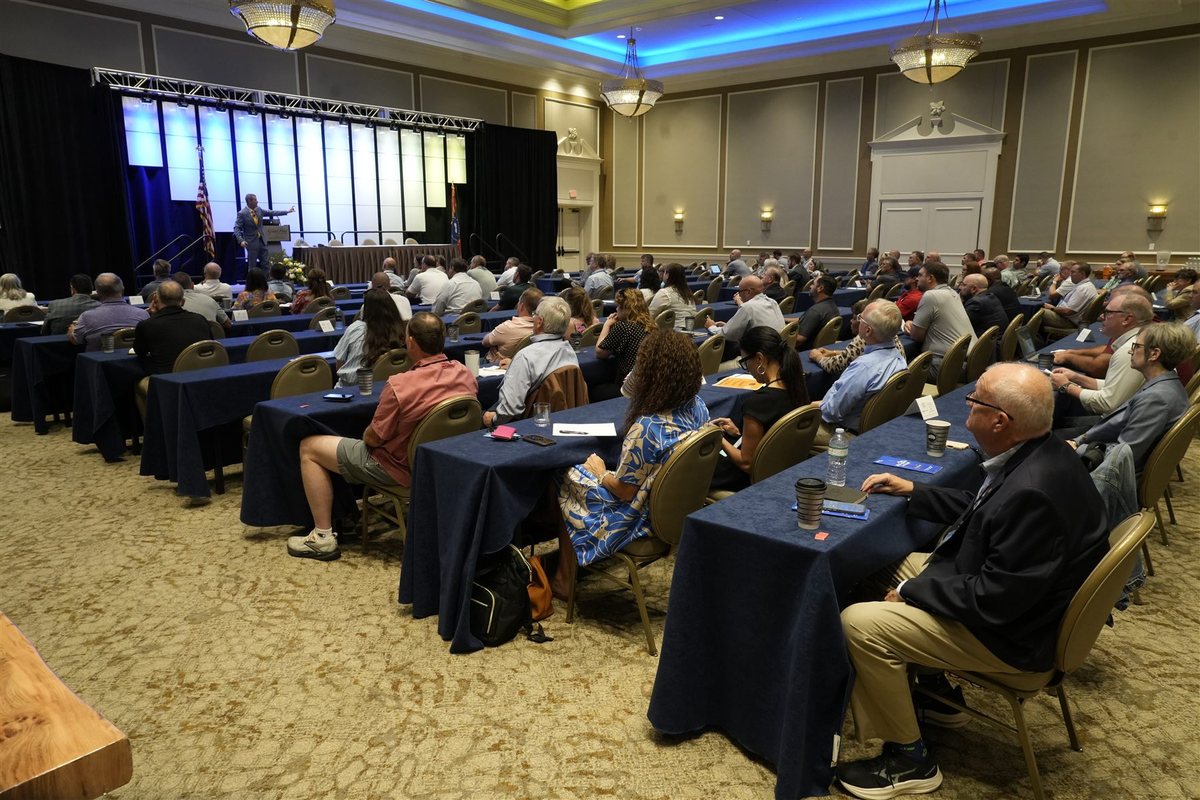
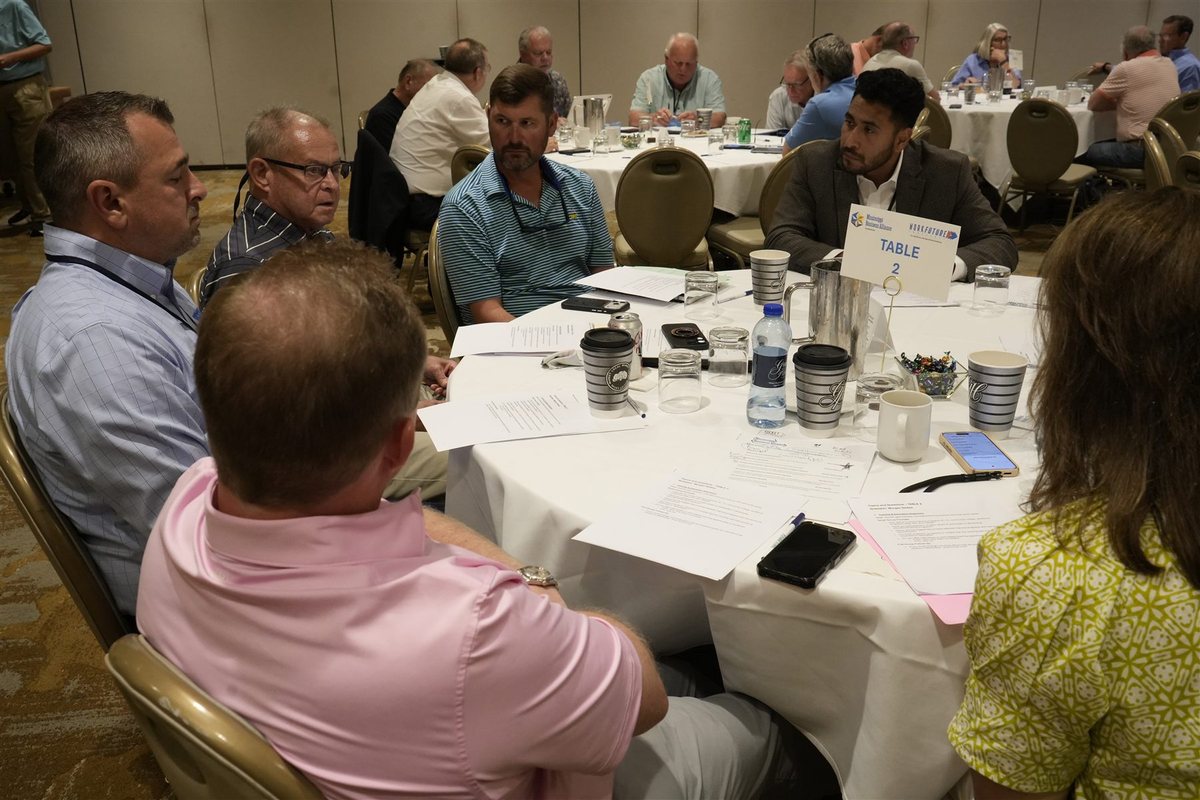
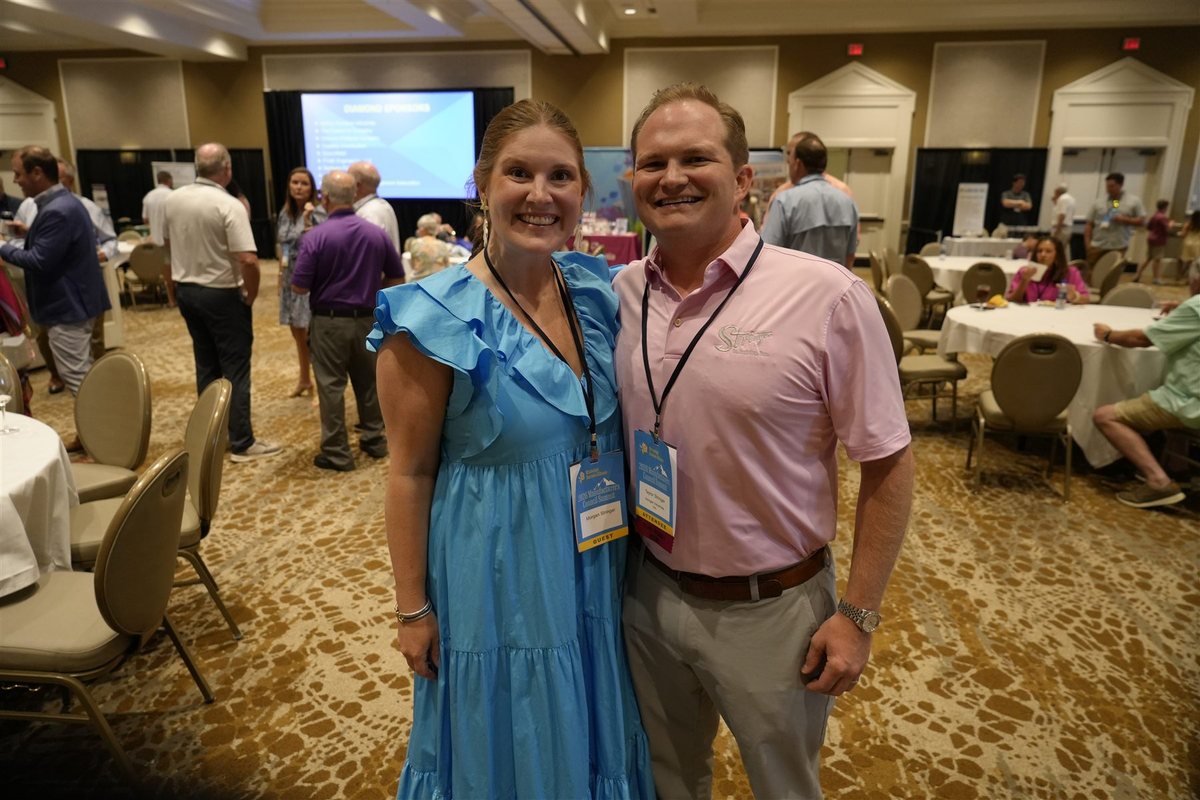
Thank you to the manufacturers, industry partners, sponsors, and families who made the 2026 Manufacturers Council Summit a strong gathering for Mississippi's manufacturing community. The summit brought leaders together for strategic conversation, practical insight, and relationship building around the future of manufacturing in our state.














The MSBA Foundation is proud to announce the launch of the Mississippi Recovery Friendly Workplace Coalition, a new statewide initiative focused on helping employers build stronger, safer, and more supportive workplaces. The program recognizes that substance use disorder affects the workforce in ways that can impact absenteeism, turnover, productivity, safety, and overall workplace stability. Through a structured and practical approach, the Coalition will support employers as they assess current policies and practices, develop business-aligned strategies, implement recovery-friendly workplace supports, and monitor outcomes over time. Led by Program Director Kimberly McRoy, the Mississippi Recovery Friendly Workplace Coalition will serve as a resource for employers seeking to support employees in recovery, reduce stigma, strengthen retention, and contribute to healthier communities across Mississippi. Employers interested in learning more may visit the MSBA Foundation's Recovery Friendly Workplace Coalition website and complete the contact form.
At the Manufacturers Council Summit, Michael McGee with Work for Warriors Mississippi shared how the program connects service members, veterans, military spouses, and military dependents with meaningful career opportunities. For manufacturers, Work for Warriors represents an important nontraditional talent pipeline by helping employers identify disciplined, skilled, and mission-driven candidates whose military experience often translates well into manufacturing environments. The program also helps bridge the gap between military service and civilian employment by connecting job seekers with employers who need reliable talent. As manufacturers continue to face workforce challenges, partnerships like Work for Warriors offer a practical way to expand recruitment efforts and strengthen Mississippi's manufacturing workforce.
For more information: Michael McGee, michael.mcgee@wfwms.org / workforwarriors.org
Chris Chism's presentation, "Artificial Intelligence: Practical Uses for Efficiency," gave Manufacturers Council Summit attendees a timely and practical look at how quickly AI is changing the way people work, learn, lead, and make decisions. He highlighted the difference between basic generative AI and emerging agentic AI, shared real examples of how tools like ChatGPT, Claude, Gemini, Copilot, and automation platforms can improve productivity, and emphasized that AI is no longer just about prompting; it is about creating better workflows, evaluating information, protecting data, and using the right tool for the right task. His message to manufacturers was clear: AI will continue to transform jobs, operations, training, communication, and competitiveness, and the organizations that learn how to use AI responsibly and strategically will be better positioned for the future.
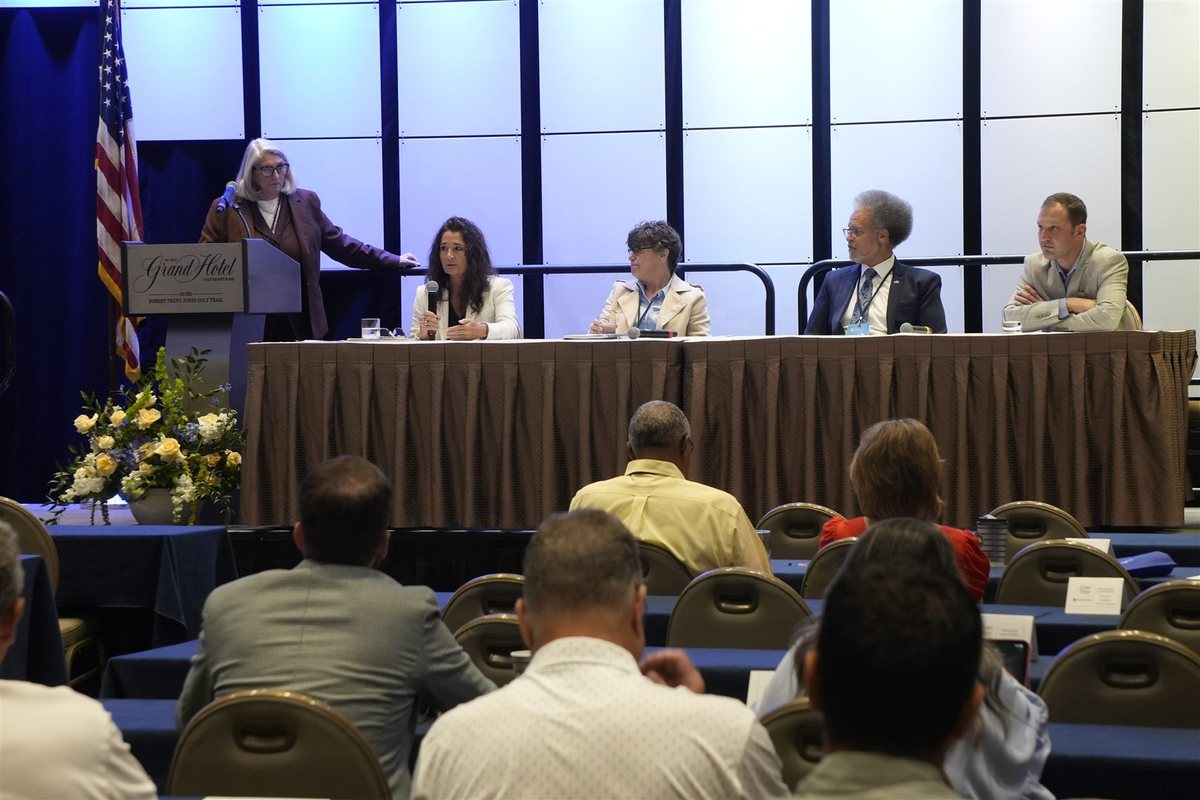
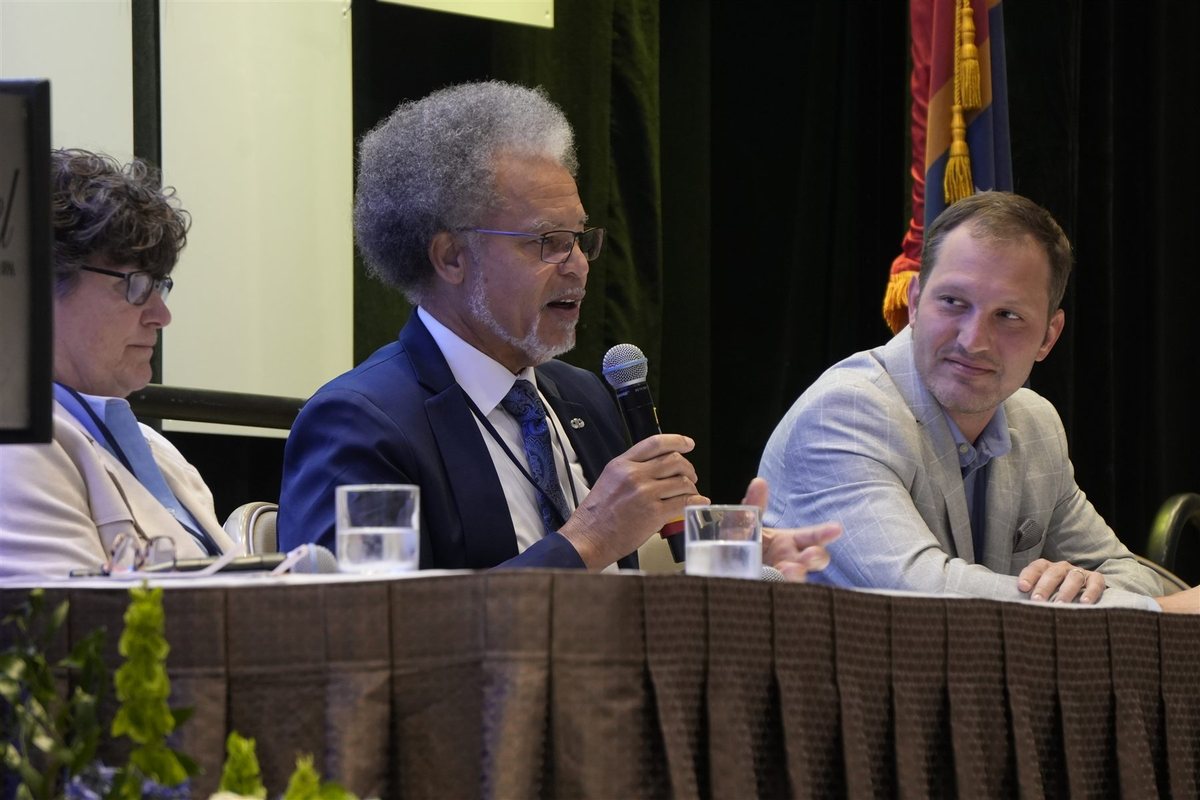
Growing Your Own Workforce: Internship Pathways That Deliver Results highlighted how manufacturers can take a more proactive approach to solving workforce challenges by building their own talent pipelines. The session brought together manufacturers, MSU CAVS Extension, engineering, and academic partners to discuss how structured internships, targeted training, and strong partnerships with high schools, community colleges, and universities can help students become work-ready before and during the internship experience. Panelists shared practical lessons, real-world examples, and strategies for creating internship pathways that support recruitment, skill development, and long-term retention. The conversation reinforced that successful workforce development requires intentional employer engagement, clear expectations, and strong collaboration between industry and education.
The Building the Future of Manufacturing with AI and Intelligent Systems panel brought together industry, academic, applied research, and workforce leaders to explore how artificial intelligence is beginning to reshape manufacturing in practical and meaningful ways. Panelists discussed how AI and intelligent systems can support automation, predictive maintenance, quality improvement, data-driven decision-making, workforce training, and connected operations. A key theme throughout the conversation was that manufacturers, especially small and mid-sized companies, do not have to begin with a large investment or complete transformation. Instead, they can start with small, low-risk steps that solve real business problems and build confidence over time. The discussion also emphasized the importance of workforce readiness, data quality, cybersecurity, and strong partnerships, encouraging manufacturers to view AI as a tool that can support employees, improve productivity, reduce risk, and strengthen long-term competitiveness.
At MAGCOR, we believe one of the greatest components of successful reentry is workforce development. We want employers, community leaders, and partners to understand that fair chance hiring is a practical workforce strategy that helps businesses access motivated talent, reduce hiring risk, and strengthen Mississippi's economy. Through training, employment connections, tax credits, bonding programs, and supportive services, MAGCOR works to remove barriers and create pathways to long-term careers for individuals returning to their communities. When we invest in second chances, we build stronger businesses, safer communities, and brighter futures for Mississippi.